
Elevate Your Festival: Selecting Improv Teachers with Care
11/January/2025
Being Your Best Improv Teacher – 101
28/March/2025
In May of 2015 I was in the US attending Improv Utopia West and as always, there were a number of teachers to work with. There was big hitters on faculty, but also a teacher I knew very little about, Katie Nahnsen. While Katie was well established in the improv and acting world in the US, my knowledge of her was limited to knowing that she had performed at most of the big US improv theatres and was a cast member of Baby Wants Candy. The standard of teaching from all of the teachers was, as expected, very high, but working with Katie had a profoundly positive impact on me so much that I can still remember her workshop vividly today. It presents an interesting, and very common scenario in improv; my expectations were drawing me toward the names I had known about but ironically the lessons that stuck with me most were from the teacher I knew least about going in.
Following the unexpectedly positive response to my previous article on selecting teachers for Improv festivals, a few people got in touch asking about tips or an article on marketing teachers who’s names aren’t as well known which is what I will explore today.
Before I continue, it’s important to note that this article is based on my perspective and experience. It should not be considered a definitive guide or the only approach. You may have different views or experiences, and if that works then great!
Good Performers =/= Good Teachers?
Transitioning from being an improviser to an improv teacher, for many people, is as simple as waking up and deciding that you want to teach. Unless you are with a school or theatre that has a train the trainer programme, for many it’s a case of reusing or repurposing exercises and tools that you have been taught. While this may stem from necessity depending on where you live and your access to resources, it is something we need to move away from. Teaching and training is a skill in its own right. Just like a job, a great employee doesn’t automatically mean a great manager. Likewise, a great improviser doesn’t automatically mean a great teacher. (Even Del Close and Keith Johnstone were not known for their performing skills). There are many elements of teaching that we don’t necessarily use at all as performers; lesson and curriculum planning, understanding and managing student needs, being patient and adaptable, empathy, leadership, to name but a few. At a basic level, all improv teachers should understand their pedagogy. To (over) simplify pedagogy, think of it as the approach to teaching.
If you are running a theatre or school, it’s also important to have standards in teaching beyond just a code of conduct. Shadowing, train the trainer, and feedback should be part of any teacher development.
Cliched and Lazy Workshops
Another habit we are seeing in Improv, is that many people are teaching the similar topics, and on paper it all looks the same. Being authentic, character work, game, relationship based improv are common topics. (And I myself and guilty of the first one!). I recently looked at the workshop listings for a large international festival where many of the workshops were similar sounding and often didn’t go too deep into what the workshop was about. Don’t get me wrong, the festival is an excellent one and I’ve no doubt the workshops were a great success. But as a reader or potential attendee, if the blurb doesnt offer me clarity and confidence, then my next port of call will be, “What do I know about this teacher?”
You see a workshop advertised called, “How to lick stamps for envelopes”. It’s hardly going to have you racing to sign up. But let’s say Patti Styles, or Craig Cackowski are teaching that workshop. It will probably be sold out by the time you get online to book it! Known teachers’ workshops will sell out predominately because they have household names as improvisers. (And for good reason, they’re great!). What their workshop is about is often, but not always, secondary.
Have you ever taken a class with a household name (and I do NOT include Patti or Craig in this!) and it didn’t meet your expectations? I know I have, and I’m not alone in having that experience.
Enough about me, what do you think of me?
Now let’s get back to our unknown teachers. If you are a teacher, festival or event organiser, introducing standards in planning will help enormously. Start with workshop blurbs. Some questions to consider:
- Is the blurb vague or does it talk in specifics?
- What is the unique offering of the workshop?
- Does the workshop know who it is aimed at?
- Is the blurb laced with improv cliches?
- Is the summary and description compelling and clear?
- Does the blurb reference content or topics?
- Is there a list of workshop outcomes?
- Do they have any testimonials you can share?
You might be thinking that this is overkill for a 3 hour workshop, but at a minimum if we can’t tell what the workshop is helping participants achieve from the blurb then its not fit for purpose.
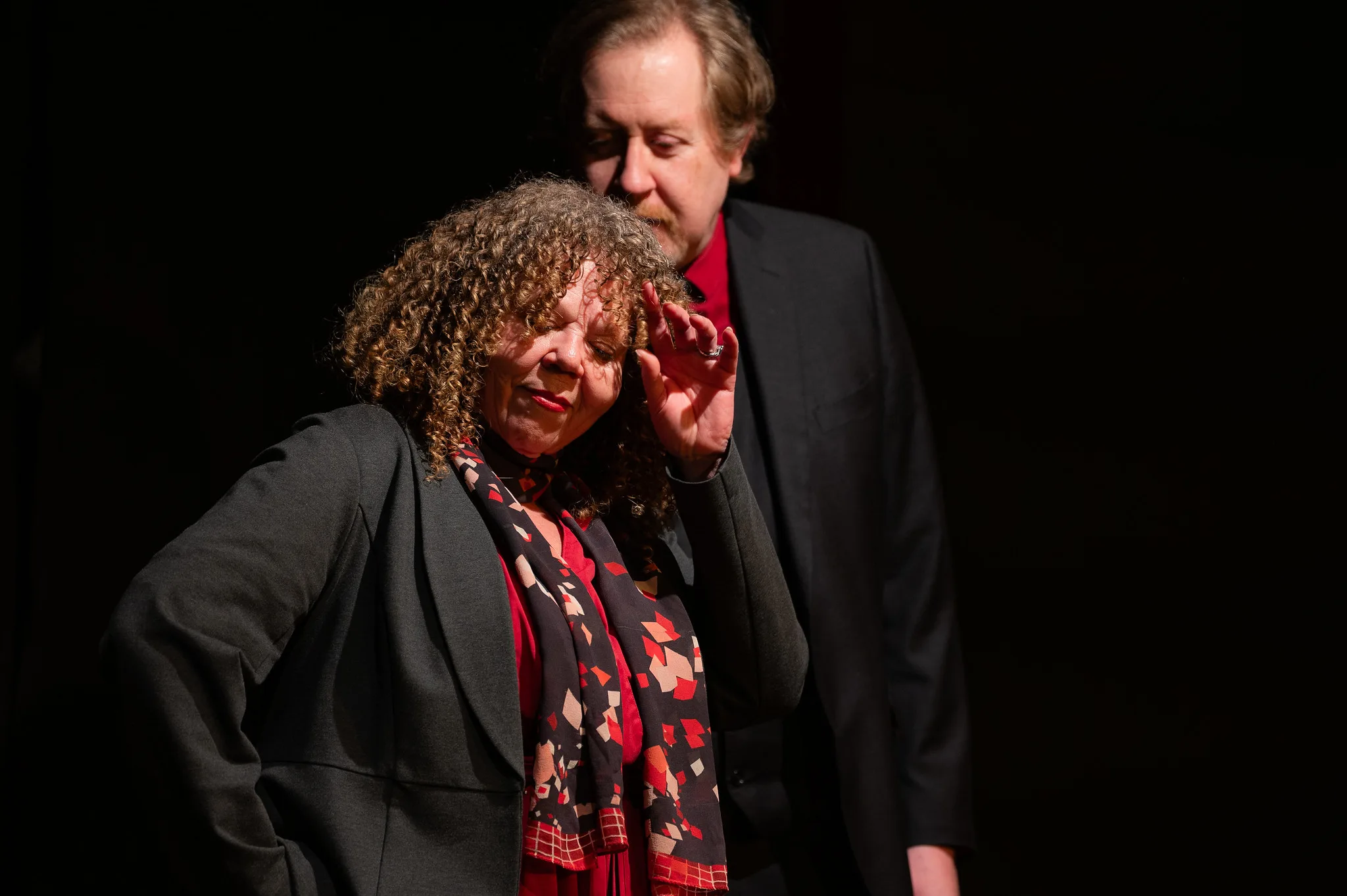
Bingewatch. Photo: Dean Ben Ayre
Next up are bios. There are lots of examples of good bios out there already. For me, I like to see bios that give some info on the teachers experience, but also some info on the teachers approach and their preferences within improv itself. (E.G. Do they favour game over relationship etc) Part of the bio should include a picture. Whether you use a profile shot or an action shot, make sure it’s clear and professional looking. A promotional video can also be a boost. 30 to 60 seconds of the teacher talking about their workshop really helps to personalise the teacher and workshop.
Festivals & Events
What if you’re running a festival or event and there are lots of teachers. For most festival organisers, you probably have an idea around how much effort is required to sell workshops. But here a few important things to consider:
- Don’t make a hierarchy of teachers publicly or behind the scenes
You may have some known names that are costing you more, therefore you need to charge more and that’s ok. However, do not sacrifice the positioning of other teachers for the sake of the known names. You’re introducing bias if you do. Last year, the first workshop to sell out at Improv Fest Ireland was a relatively unknown teacher (unknown outside of their city in a different country).
- Celebrate your teachers equally
This does not mean spending an equal amount of time promoting or talking about each teacher. Vary the amount depending on how you want to elevate your teachers. Get behind ALL of your teachers no matter what.
- Don’t make assumptions
If you have doubts about a teacher or workshop, then it needs to be handled before you go live. Having standards for blurbs and bios at the planning stage will definitely help avoid this happening. Similarly, don’t be surprised if a known teacher doesn’t light the room on fire.
In summary, introducing standards and expectations around teaching are essential for both teachers and theatres/schools. Dont fall in to bad habits by getting lazy with workshop blurbs and bios. Put yourself in to your potential student shoes.
Of and if you ever have a chance, take a workshop with Katie Nahnsen.
By the way, my Improv Playground co-organiser, Quinton O’Reilly, has a nifty newsletter that is 100% focussed on improv. You can read it and subscribe here.